Texas’ new $1 billion voucher program allots about $10,000 per student to be used on private school tuition. It’s paid for by taxpayer dollars.
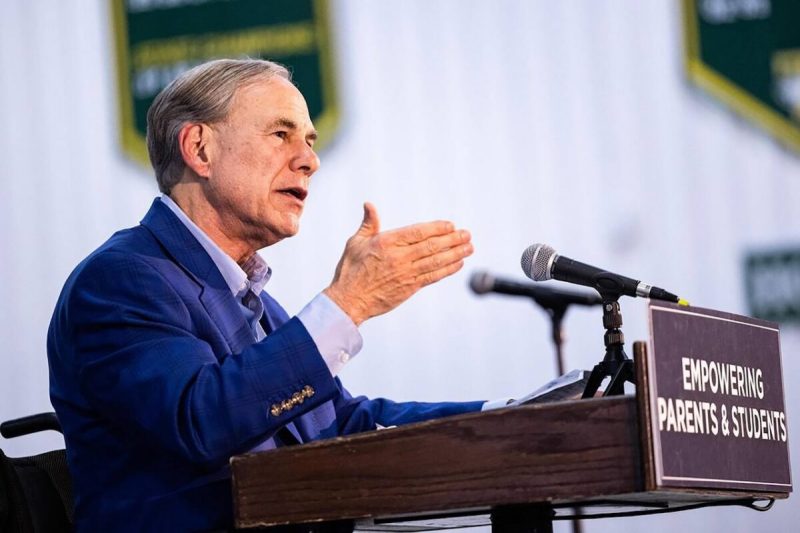
When Republican Gov. Greg Abbott’s private school voucher program became law last year, proponents claimed it would give families who wouldn’t normally be able to afford private school tuition more options. That’s not who is applying , according to new data.
Around three in four of the over 150,000 applicants to the program are already enrolled in private schools or are home-schooled, according to data from the Texas Center for Voucher Transparency.
As of March 4, only around 36,000 families with students enrolled in Texas public schools submitted applications for the program. Texas has approximately 5.5 million students enrolled in public schools, which means that less than 1% of public school families have applied.
Texas is following in the footsteps of other states that have implemented a voucher program. In Arkansas, 95% of participants in the state’s program did not attend public schools in the previous school year. In Arizona, data shows the use of vouchers is highest in affluent school districts, and lowest in poorer school districts.
“Texas public schools are the backbone of our communities,” said Dee Carney, director of the Texas Center for Voucher Transparency, in a statement. “Early voucher application data suggests that the overwhelming majority of families continue to choose and trust their local public schools to educate their children.”
Critics of the program have warned that it will funnel crucial funds away from already struggling public schools across Texas, as public school funding across the state is tied to daily attendance.
And out of Texas’ 254 counties, 158 don’t have private schools for parents to send their children to in the first place, according to Texas Private School Accreditation Commission, but those families’ tax dollars will still go toward the program.
Voucher program faces first lawsuit
At the end of 2025, Acting Comptroller of Public Accounts Kelly Hancock—who manages the voucher program—requested a legal opinion from Attorney General Ken Paxton, asking if he could exclude schools from the voucher program based on their connections to groups designated as “foreign terrorist organizations” or “foreign adversaries.”
In January, Paxton stated that he “stands ready to vigorously defend legal challenges to any lawful determination by the Comptroller’s Office aimed at preventing terrorists or our Nation’s enemies from abusing the TEFA program.”
Republicans have recently pushed anti-Islam rhetoric, including Abbott, who designated the Council on American-Islamic Relations—a Muslim civil rights group—as a terrorist organization.
CAIR has sued Abbott over the label, calling it defamatory.
To date, more than 2,000 private schools have been accepted into the program, but no Islamic schools are known to have been accepted. In response, a Muslim parent has filed a federal lawsuit against the state for the exclusion of Islamic private schools from the program, claiming religious discrimination.
The application period to apply for the program closes on March 17. If the number of applicants exceeds the $1 billion lawmakers allotted for it, the state will have to look at students based on household income and students’ disabilities.